
Africa’s regulated betting sector is expanding at pace. For IBIA CEO Khalid Ali, the task now is to ensure that market growth is matched by stronger monitoring, formal integrity protocols and trusted cross-border cooperation.
A market moving into the integrity spotlight
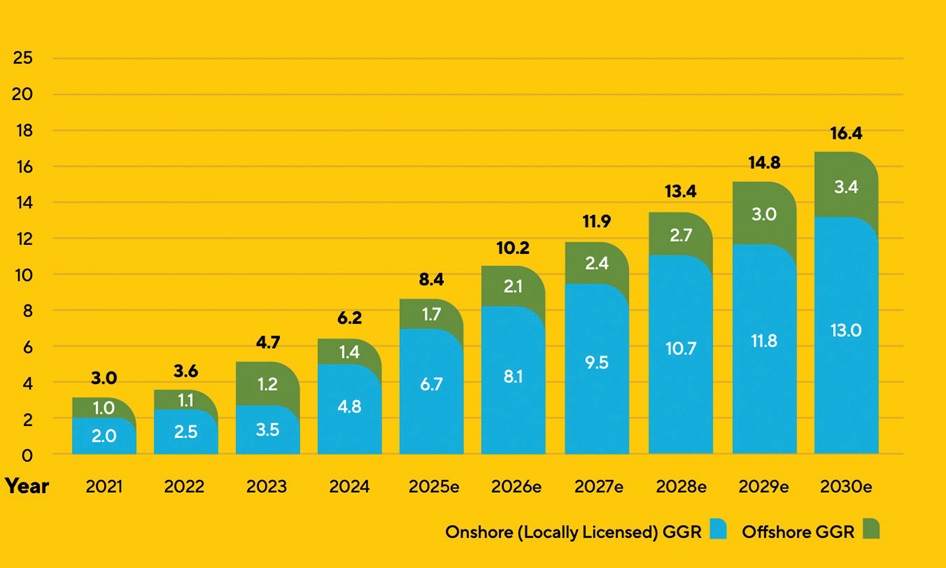
Africa is becoming an increasingly important part of the global sports betting integrity landscape. The continent’s regulated betting sector is expanding rapidly, with H2 Gambling Capital forecasting that Africa’s land-based and online betting gross gambling revenue will grow from approximately US$3.5 billion in 2021 to around US$19.4 billion by 2030. Most of that growth is expected to come through online channels, creating significant commercial opportunities and also opportunities to create a more effective integrity environment that protects the licensed market and African sporting events.
It is important to recognise that properly licensed and regulated online betting generates the account-level transactional data on which effective integrity monitoring depends. Licensed operators can identify unusual customer behaviour, track staking patterns and escalate suspicious activity in ways that are not possible when betting takes place through opaque or unregulated channels.
For the International Betting Integrity Association (IBIA), which represents many of the largest licensed sports betting operators in the world and monitoring over $300bn in sports bets per annum, the lessons from other markets are clear: Africa’s market growth must be accompanied by integrity mechanisms that are capable of scaling with it. As betting markets become increasingly interconnected, suspicious betting activity rarely remains confined to one jurisdiction. A single alert can involve operators, customers and payment flows across several countries, making intelligence-led monitoring and international information sharing central to any effective response.
World Cup focus, African relevance
Major sporting events will further sharpen the focus. According to H2 Gambling Capital, the 2026 FIFA World Cup is expected to generate around US$60 billion in betting activity globally and will feature a record ten African nations. That profile is likely to increase betting interest in African teams, players and competitions, both domestically and internationally.
Events of that scale underline why integrity preparation cannot be left until tournament time. Strong monitoring frameworks, operator participation and trusted relationships between regulators, sports bodies and law enforcement need to be in place. The more betting activity that is channelled through licensed and transparent markets, the more effectively suspicious activity can be detected, assessed and sanctioned.
Africa is not one market
Comparisons with other markets are helpful, but the processes are not always easily transferable or as immediately applicable as might be expected. Much of Europe, for example, benefits from long-established regulatory structures and relatively institutionalised cooperation between operators, regulators, sports governing bodies and law enforcement. The American market, by contrast, has progressed quickly since the post-2018 expansion of regulated sports betting, with many US state licensing processes embedding mandatory integrity monitoring requirements into their frameworks from the outset.
Africa presents a more varied picture. Some jurisdictions are developing more modern and sophisticated regulatory models, while others remain at an earlier stage of market and integrity development. Monitoring infrastructure, reporting mechanisms and operator participation can therefore differ significantly between countries. In markets with a smaller regulated operator base, the amount of customer account-level intelligence available to integrity systems may also be limited.
However, it would be wrong to frame Africa simply as lagging behind. IBIA is seeing growing encouraging engagement from regulators, operators and sports bodies seeking to develop integrity protocols and connect with international monitoring initiatives. A practical example is the Memorandum of Understanding signed between IBIA and the African iGaming Alliance (AIA)) in November 2025. Under that agreement, IBIA acts as the AIA’s strategic betting integrity partner, while the AIA serves as IBIA’s betting policy and regulation partner for Africa. The AIA represents licensed operators across twenty African countries, giving the partnership meaningful continental reach.
What the 2025 alert data shows
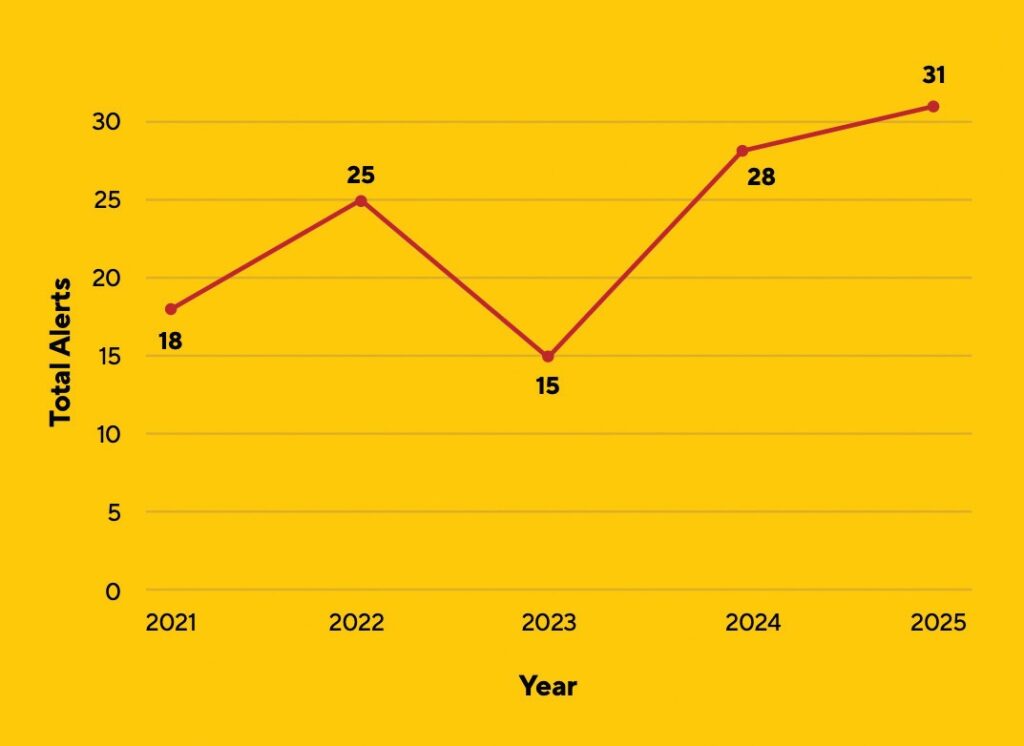
Across 2025, IBIA reported 31 suspicious betting alerts linked to sporting events in Africa, representing approximately 10% of all alerts reported globally during the year. Over the longer period from 2021 to 2025, IBIA recorded 117 alerts connected to African sporting events.
These figures should be interpreted with care. Alert volumes do not simply measure underlying integrity risk; they also reflect the maturity and reach of monitoring infrastructure. As regulated markets expand and more operators participate in recognised monitoring networks, detection capability improves. In that sense, rising alert numbers can indicate that the system is identifying suspicious activity more effectively, rather than proving that integrity conditions are deteriorating.
The data also reflects the increasingly international character of betting-related integrity risks. Suspicious patterns linked to an African sporting event may involve customers, operators and payment channels in multiple jurisdictions. This is why information sharing across borders is not an optional add-on, but a core part of modern sports betting integrity.
The objective is not to produce fewer alerts for the sake of appearances. It is also fundamental to recognize that an alert is not proven corruption, it is evidence that supports the start of an investigation. A credible integrity system should identify suspicious activity promptly, test whether the pattern is genuinely concerning and escalate relevant intelligence to the right stakeholders. Viewed through that lens, alerts are evidence of detection capability and structured response, not merely a measure of risk.

Building the next stage of integrity capability
The next market evolutionary phase for Africa should be a focus on strengthening the whole integrity ecosystem. One clear priority is the adoption of formal sports betting integrity protocols across more African jurisdictions. At present, the African market lacks the comparable commitment to, and investment in,The role of operators is central. Regulated betting companies are not merely commercial participants in the market; they are often the first point at which suspicious betting behaviour becomes visible. Their customer account data, internal risk controls and ability to escalate concerns quickly can make the difference between a broad integrity concern and an actionable intelligence report. That is why operator participation in recognised monitoring networks is so important.
For regulators, the policy objective should be to make cooperation routine rather than exceptional. Formal reporting duties, clear escalation routes and trusted relationships with sports bodies and law enforcement create a framework in which suspicious activity can be assessed quickly and consistently. Without that structure, alerts risk becoming fragmented, delayed or difficult to act upon.
Education must also form part of the response. Athletes, officials and sporting personnel remain one of the first lines of defence against corruption and match manipulation. Targeted integrity education can improve awareness, strengthen reporting and reduce vulnerability to criminal approaches. These programmes are most valuable when they are practical, sport-specific and aligned with reporting mechanisms that athletes and officials understand and trust.
Africa’s regulated betting sector is expected to continue growing over the coming decade. The opportunity now is to ensure that integrity capabilities grow alongside that expansion. By embedding formal integrity protocols, encouraging participation in recognised and commercially conflict free betting integrity monitoring networks, and adopting proven regulatory best practice, African markets can strengthen protections for sport, consumers and licensed operators alike.
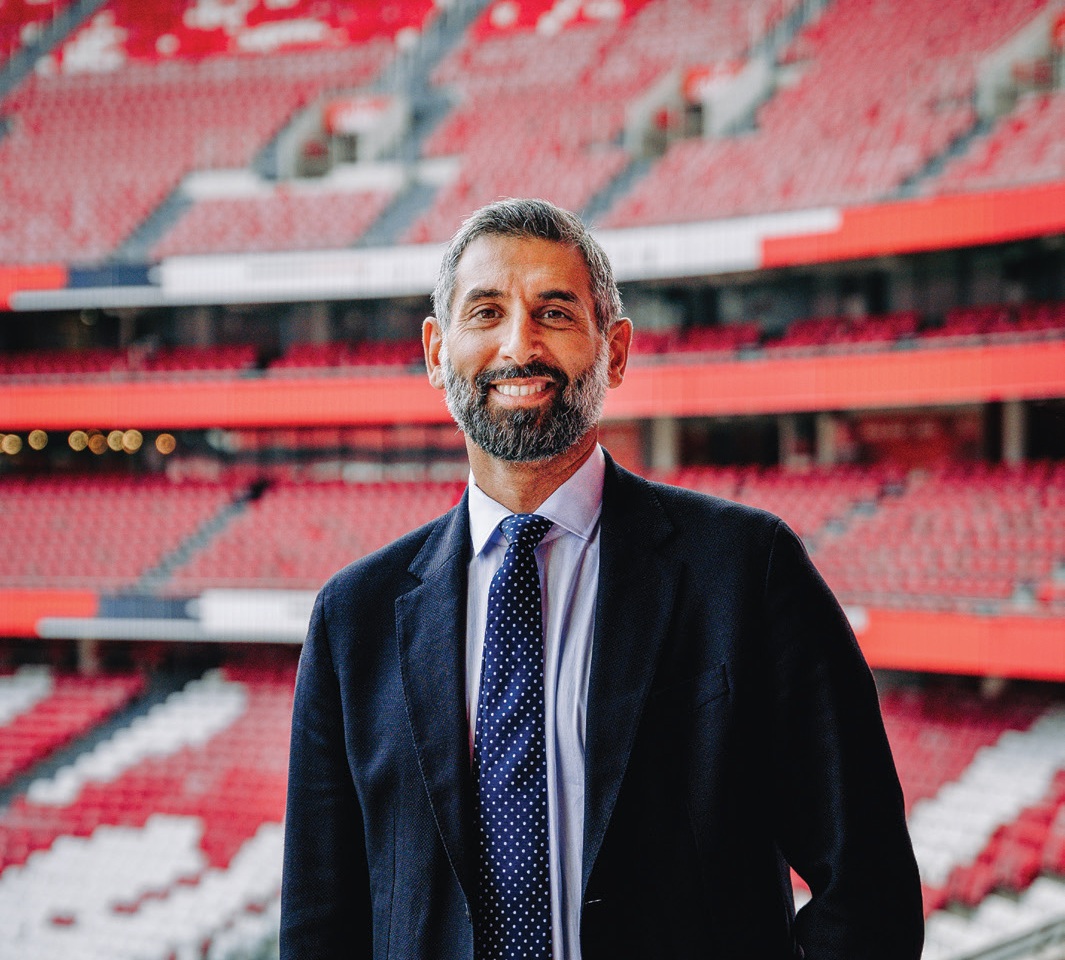
Preview image: IBIA CEO Khalid Ali
***This exclusive article was oriignally published in Sports Betting Opeator Issue 023 Volume 008 June 2026***